


 Google
 Github
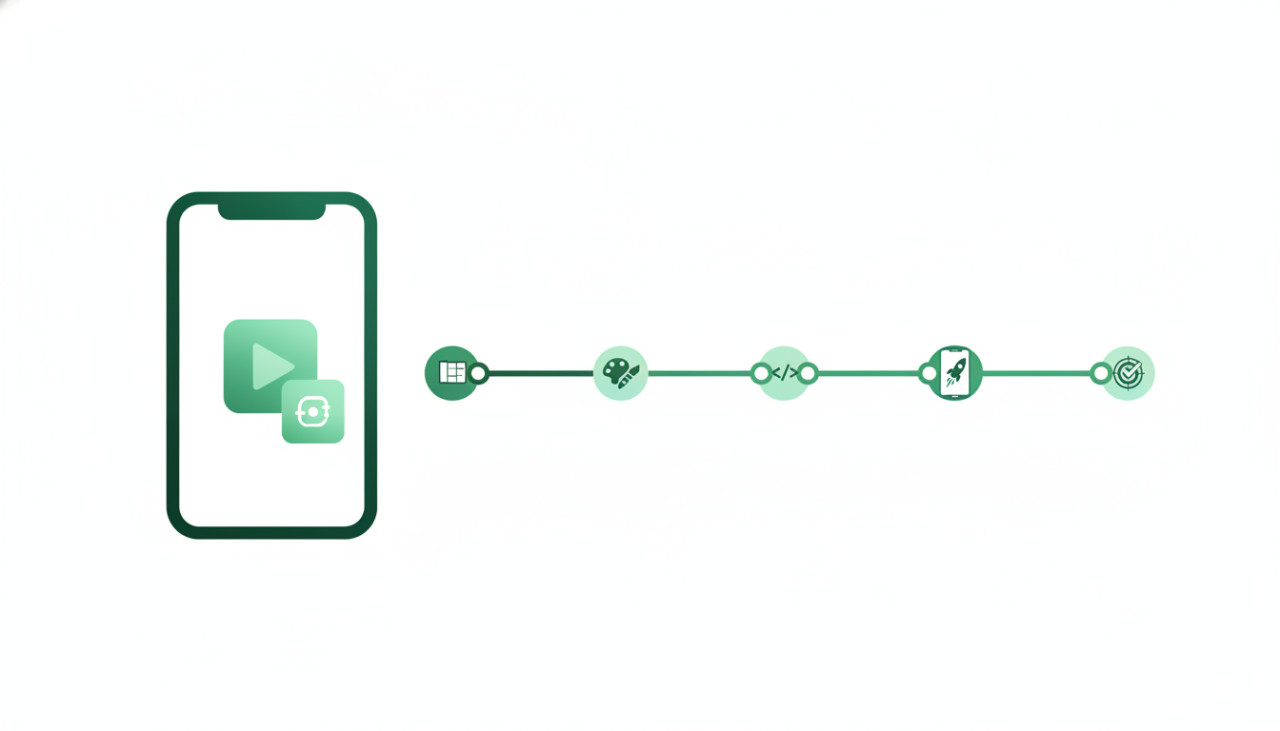
The Smarter Route to App Development
Building a modern mobile application from scratch requires substantial capital, specialized talent, and months of engineering effort. Between designing UI architectures, setting up authentication flows, and integrating payment processors, founders often spend tens of thousands of dollars before even validating market demand. Pre-built app templates and source code scripts have fundamentally changed this equation.
By leveraging production-ready templates on marketplaces like SellMyCode, entrepreneurs and agencies can slash development timelines by up to eighty percent. Instead of spending months building generic infrastructure, you start with a fully functional foundation. The key to long-term profitability lies in how strategically you select, adapt, and scale that source code.
Selecting the Right Template for Your Target Market
Success begins with choosing an app template that aligns closely with your business model and technical capabilities. A flashy demo means little if the underlying stack is obsolete or poorly documented.
Evaluate the Framework and Architecture
Look for cross-platform frameworks like Flutter or React Native if you want to deploy to both iOS and Android from a single codebase. If performance-intensive native capabilities are necessary, look for dedicated Swift or Kotlin templates. Ensure the template adheres to clean code standards and includes modular components that are easy to decouple.
Inspect Documentation and Changelogs
High-quality templates provide clear setup guides covering dependency installation, environment variables, API integration, and store submission. Look for items with regular updates, active seller support, and comprehensive changelogs indicating compatibility with the latest operating system releases.
Customizing and Reskinning the Application
Publishing an unedited template directly to the App Store or Google Play creates friction with store review guidelines and fails to establish an identifiable brand. Thorough customization is mandatory.
Visual Differentiation
Begin by overhauling the visual identity. Update all brand assets including logos, onboarding illustrations, color palettes, and typography. Modernize navigation elements and adjust spacing so your app delivers an original user experience rather than looking like an out-of-the-box clone.
Feature Refinement and Unique Value
Identify the single core feature your users care about most and enhance it. Remove unnecessary secondary screens that complicate onboarding. By streamlining the user journey, you create a focused product that solves a specific customer pain point.
Backend Integration and Security Best Practices
Pre-built templates usually ship with mock data or basic backend connectors such as Firebase, Supabase, or generic REST APIs. You must secure this architecture before launch.
- Replace all default API credentials, secrets, and encryption keys with your own production keys.
- Implement strict database security rules to ensure authenticated users can only read and write their own records.
- Review server endpoints for input validation to prevent injection attacks and unauthorized data exposure.
- Configure automated crash reporting and analytics tools to monitor performance during rollout.
Implementing Sustainable Monetization Models
A well-architected template gives you the flexibility to experiment with multiple revenue streams. Consider which approach fits your user base best:
- In-App Subscriptions: Offer a free trial followed by monthly or annual recurring billing for premium features or exclusive content.
- In-App Purchases: Sell consumable credits, virtual goods, or one-time feature unlocks.
- Ad Placements: Integrate rewarded video ads, native banners, or interstitial ads using trusted mobile ad networks.
- Paid Upfront Downloads: Charge a single purchase price on the store if your app solves a specialized, high-utility business problem.
Preparing for App Store Submission
Both Apple and Google enforce strict guidelines regarding app utility, privacy, and original design. To ensure a smooth approval process, prepare thorough metadata including high-resolution screenshots showing real user interfaces, clear descriptions highlighting your unique value proposition, and an easily accessible privacy policy outlining how user data is collected and processed.
Accelerating Your Path to Revenue
Launching a digital product no longer requires reinventing basic components like user login, shopping carts, and push notifications. Marketplaces like SellMyCode provide developers and digital creators with the ultimate springboard. By focusing your energy on brand differentiation, security hardening, and user acquisition, you can transform ready-made code into a scalable, revenue-generating business in record time.
Comments (0)