






 Google
 Github
Why Reinventing the Wheel Kills App Ideas
In the fast-moving digital economy, speed to market is the single most critical factor determining an app startup's success or failure. Traditional development workflows require months of planning, wireframing, architecture design, and back-end setup. For independent developers and entrepreneurs, this long runway burns through capital and drains momentum before real users ever touch the product.
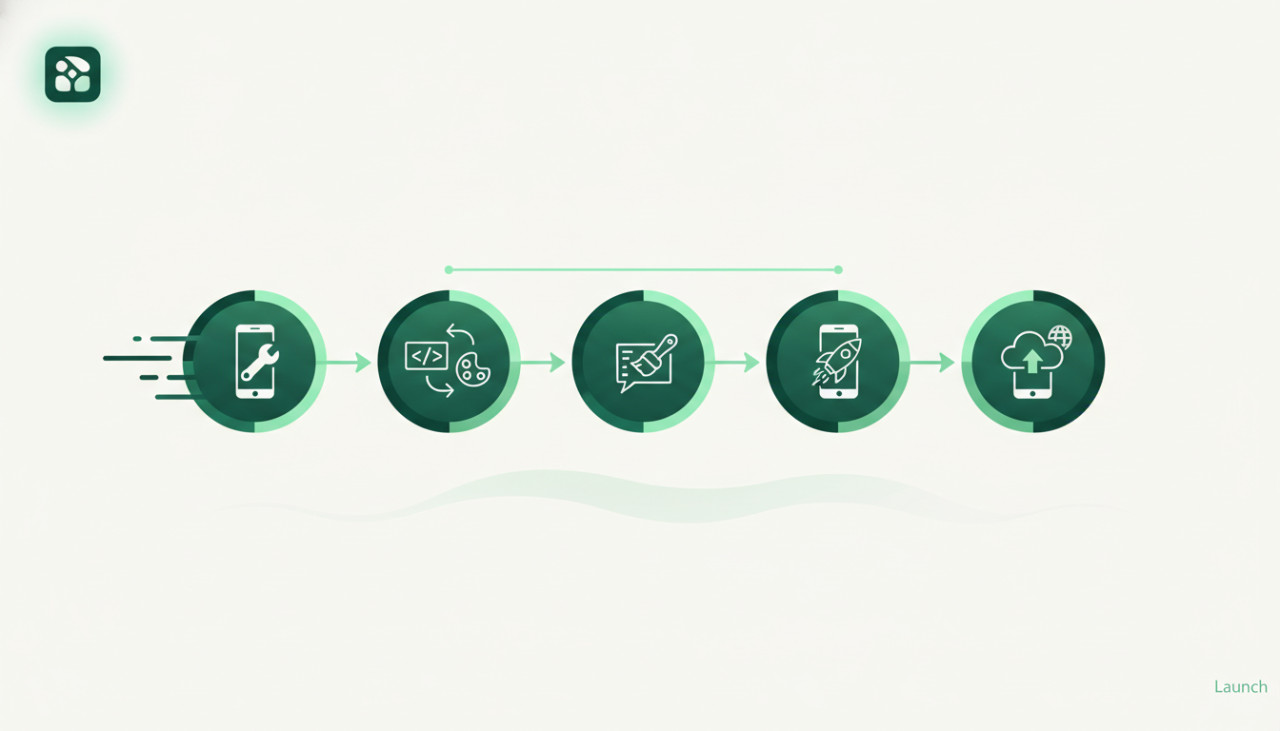
Using verified, pre-built source code templates allows you to bypass the initial 80% of routine boilerplate development. Instead of writing authentication flows, database connectors, and basic UI components from scratch, you start at the finish line. Here is your step-by-step roadmap to launching a fully functional, profitable mobile application within two weeks.
Step 1: Choose the Right Foundation on SellMyCode
Success starts with sourcing reliable, clean architecture. When browsing templates on SellMyCode, focus on technical compatibility, framework maturity, and long-term maintainability.
- Select modern cross-platform frameworks like Flutter or React Native to target both iOS and Android simultaneously.
- Review the template changelog to confirm the developer actively supports modern operating system updates and SDK versions.
- Check the bundled documentation to ensure setup instructions, environment variables, and API endpoints are clearly documented.
- Examine customer reviews and developer response rates to gauge aftermarket technical support quality.
Step 2: Define Your Unique Value Proposition
A ready-made script provides core mechanics, but your unique business proposition dictates user retention. Take 48 hours to plan customizations that set your product apart from competing apps in the app stores.
Identify one primary problem your target audience faces and adjust the template workflow to solve it better than anyone else. Replace generic branding with a distinct design system, including tailored color palettes, custom typography, micro-interactions, and bespoke iconography. By modifying the visual presentation and tailoring copy to a specific niche, you transform a generic base into a proprietary brand asset.
Step 3: Integrate Backend Services and Monetization
Most commercial templates support standard backend solutions like Firebase, Supabase, or custom REST APIs. Days five through nine should focus strictly on data plumbing and financial infrastructure.
Backend Setup and Security
Configure your database rules, set up push notification certificates, and test user authentication flows. Ensure all API keys, private tokens, and sensitive credentials are encrypted using environment variables rather than hardcoded in the client application.
Monetization Engines
Pre-built code templates often include integrated hooks for AdMob, Google Play In-App Billing, or Apple StoreKit. Verify that these purchase listeners function accurately in sandbox testing. Choose the revenue strategy that best aligns with user expectations:
- Freemium models offering gated premium features or content access.
- Subscription models leveraging recurring monthly or yearly revenue via In-App Purchases.
- Reward-based or interstitial advertising networks for casual utility tools.
Step 4: Rigorous Testing and Policy Compliance
Both Apple and Google enforce strict developer guidelines regarding app quality, user privacy, and data security. Dedicate days ten through twelve to comprehensive quality assurance.
Test the application across physical devices with varying screen resolutions and hardware specs. Audit your privacy permissions, verify that end-user data collection complies with GDPR and CCPA standards, and implement compliant account deletion mechanisms. Clean, compliant apps experience fewer review delays and store rejections.
Step 5: Store Deployment and Early Traction
On day thirteen, upload your signed binaries to App Store Connect and the Google Play Console. Prepare compelling store listings with high-resolution screenshots, localized keywords, and concise benefit-driven descriptions.
Once approved, focus immediately on distribution. Leverage organic social channels, developer forums, and micro-influencer outreach to drive initial downloads. Monitor user feedback, crash reports, and performance analytics to plan your first feature patch.
By leveraging pre-built templates from SellMyCode, you minimize financial risk, validate your business thesis rapidly, and turn development months into days.
Comments (0)