






 Google
 Github
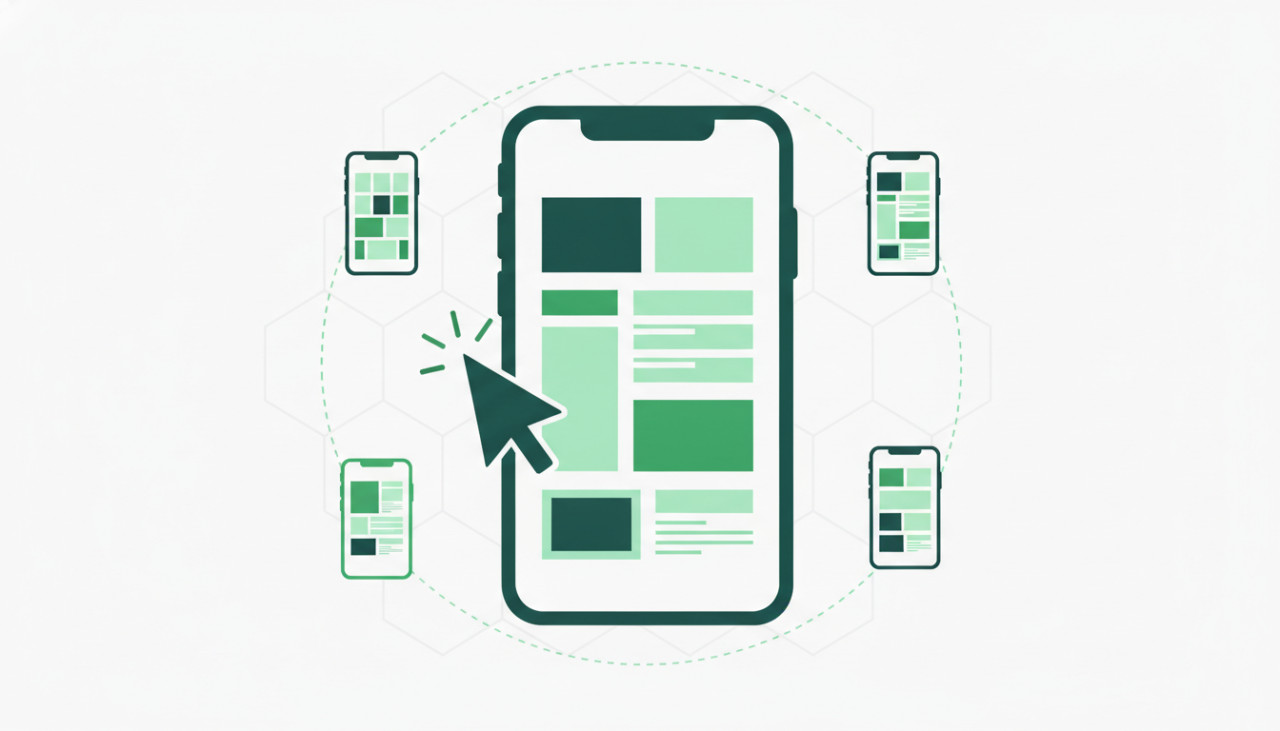
The Fast Track to Launching Profitable Software
Building a modern mobile application or SaaS platform from scratch is an expensive, time-consuming endeavor. For solo founders, freelance agencies, and indie developers, spending six months writing standard authentication flows, payment integrations, and dashboard layouts often leads to burnout before the product even generates its first dollar. This is where pre-built scripts, mobile app templates, and plugins transform the game.
By leveraging production-ready code from marketplaces like SellMyCode, you skip the repetitive infrastructure phase and jump straight into solving unique customer problems. However, success does not come from simply slapping your logo on a downloaded template. Profitable creators treat ready-made source code as a foundational accelerator, not a finished product. Here is how you can transform ready-made templates into successful digital ventures.
1. Identify a Specific, Underserved Niche
The biggest mistake first-time buyers make is competing directly with industry giants. If you buy an on-demand delivery app template, trying to rival mainstream delivery apps is a guaranteed path to failure. Instead, localize or specialize your offering for a distinct vertical market.
- Repurpose delivery scripts for local farm-to-table cooperatives or specialized medical courier services.
- Adapt social networking templates for micro-communities, such as vintage car collectors or local sports clubs.
- Reconfigure booking platforms exclusively for mobile pet groomers, tutors, or independent fitness trainers.
By narrowing your focus, your customer acquisition costs plummet, and your product message resonates deeply with a specific target audience.
2. Vet Code Quality and Tech Stack Compatibility
Before buying any script or template, carefully evaluate the underlying architecture. A template is only valuable if your team can comfortably maintain, extend, and debug it over the long term.
Key Selection Criteria
- Modern frameworks such as Flutter, React Native, Laravel, or Node.js ensure longevity and ease of hiring talent.
- Comprehensive documentation with step-by-step setup guides, database schemas, and API documentation.
- Active seller support and consistent version updates indicating that the codebase remains compatible with the latest OS versions.
3. Overhaul the User Experience and Branding
Nothing harms conversion rates more than an app that looks like a generic asset store demo. To build long-term value, your application must look, feel, and function like a bespoke product.
Start by stripping away default color palettes, generic stock photography, and stock placeholder copy. Integrate a unique brand identity with custom typography, cohesive micro-interactions, and tailored onboarding screens. Reorganize screen layouts to better align with your specific niche workflow. When users download your app, the interface should feel custom-engineered for their exact problem.
4. Build One Differentiating Proprietary Feature
A ready-made template gives you eighty percent of the standard functionality out of the box, covering user management, push notifications, and payment gateways. Use the development time and budget you saved to craft one distinctive feature that sets your solution apart from competitors.
This might involve integrating a specialized third-party artificial intelligence API, creating an automated reporting engine, or integrating regional payment gateways that global competitors ignore. This singular proprietary feature becomes your core marketing angle and protects your software from easy replication.
5. Audit Security and Optimize Performance
Before deploying to production environments, thoroughly audit the purchased code. Replace all default secret keys, database credentials, and API tokens. Review permission structures, input sanitization routines, and API endpoints to prevent common security vulnerabilities.
Run extensive speed tests on both low-end mobile devices and slower network conditions. Minimize asset sizes, optimize database queries, and set up automated crash reporting tools to catch edge-case bugs early.
Conclusion
Pre-built code scripts and app templates are powerful levers for modern digital entrepreneurs. By treating quality templates as an architectural springboard, pairing them with sharp niche positioning, and applying thoughtful customization, you can launch sophisticated software products in weeks instead of quarters.
Comments (0)