






 Google
 Github
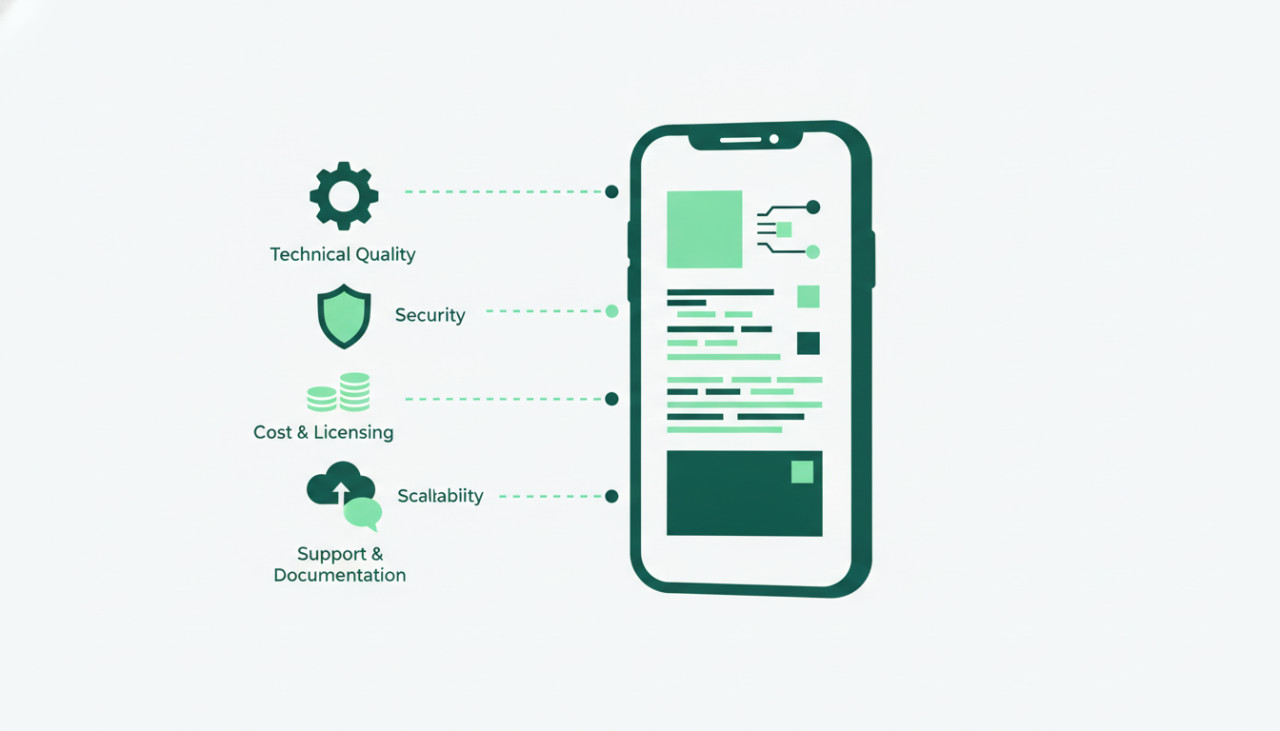
Buying pre-built app templates and source code scripts has become one of the smartest ways for indie developers, agencies, and startup founders to launch faster. Instead of spending six months and tens of thousands of dollars reinventing common features like authentication, payment gateways, and profile management, marketplaces like SellMyCode offer production-ready code ready for deployment.
However, not all source code packages are built the same. Picking the wrong template can cost you weeks in refactoring or debugging. To protect your investment and accelerate your launch timeline, here are five critical factors you must evaluate before purchasing source code.
1. Compatibility and Modern Framework Versions
Technology stacks move quickly. A mobile app template built using an outdated framework version can lead to immediate deprecation warnings, security vulnerabilities, or app store rejections. Before hitting the purchase button, examine the tech stack specifications carefully.
Ensure the product meets current standards:
- For cross-platform apps, verify compatibility with the latest versions of Flutter or React Native.
- For native builds, check targeting for the latest iOS SDK and Android API levels.
- Check third-party dependencies to ensure libraries are maintained and not abandoned.
Reliable authors on SellMyCode explicitly list the tested framework versions in their product descriptions. If the details are vague, ask the author directly before buying.
2. Quality of Documentation and Setup Guides
Even the cleanest code is difficult to navigate without clear instructions. High-quality documentation is often what separates an amateur script from a professional asset. When you purchase an app template, you should expect step-by-step guidance that helps you configure the environment, compile the project, and publish it.
Look for templates that include:
- Detailed environment setup instructions including IDE recommendations and required tooling.
- Clear backend configuration guides for Firebase, Supabase, Laravel, or custom REST APIs.
- Asset replacement guidelines detailing how to swap logos, colors, and splash screens.
- Common troubleshooting steps for build failures.
Check whether the seller provides video walkthroughs or live preview demos alongside written docs. A comprehensive guide can reduce your launch time from weeks to hours.
3. Architecture and Clean Code Practices
Your app will evolve as you acquire feedback from early users. If the underlying code is tightly coupled, tangled, or poorly commented, adding new features will become a nightmare. You want a template structured around recognized architectural patterns.
Look for signs of scalable architecture:
- Separation of concerns, such as distinct layers for UI components, business logic, and API networking.
- Predictable state management solutions like Provider, BLoC, Redux, or Riverpod.
- Descriptive variable, class, and method naming conventions.
- Consistent folder structures that make locating assets and modules intuitive.
Many listings on SellMyCode offer sample previews or video overviews that show project directory structures. Use these previews to evaluate how modular the codebase is.
4. Licensing Rights and Usage Boundaries
Every digital marketplace operates under specific licensing models. Misunderstanding your license can create legal liabilities, especially if you plan to sell the finished app, white-label it for multiple clients, or integrate proprietary assets.
Determine which license matches your project scope:
- Standard or regular licenses typically permit single-end-product usage for personal or internal commercial projects.
- Extended licenses are usually required if you plan to charge end-users directly or distribute the app as a SaaS offering.
- Multi-client usage or reselling usually requires specific developer permissions.
Always read the license terms on the SellMyCode product page before committing to ensure your commercial goals align with the author terms.
5. Author Reputation, Support, and Update History
Post-purchase support can make a major difference if you hit unexpected compilation issues. Review the author profile, feedback score, and customer ratings before making a final choice.
Key author metrics to look out for:
- Changelog frequency: Regular updates show that the author actively maintains compatibility with operating system updates.
- Response time: Look at the comments section to see how quickly and politely the developer answers buyer questions.
- Refund and guarantee terms: Reputable marketplaces offer dispute resolution if a template is fundamentally broken.
Final Thoughts
Purchasing pre-built mobile app templates and scripts on SellMyCode is a proven strategy to slash development expenses and beat competitors to market. By checking framework compatibility, insisting on thorough documentation, inspecting architectural clean code, confirming licenses, and choosing active sellers, you can build your MVP with complete confidence.
Comments (0)