






 Google
 Github
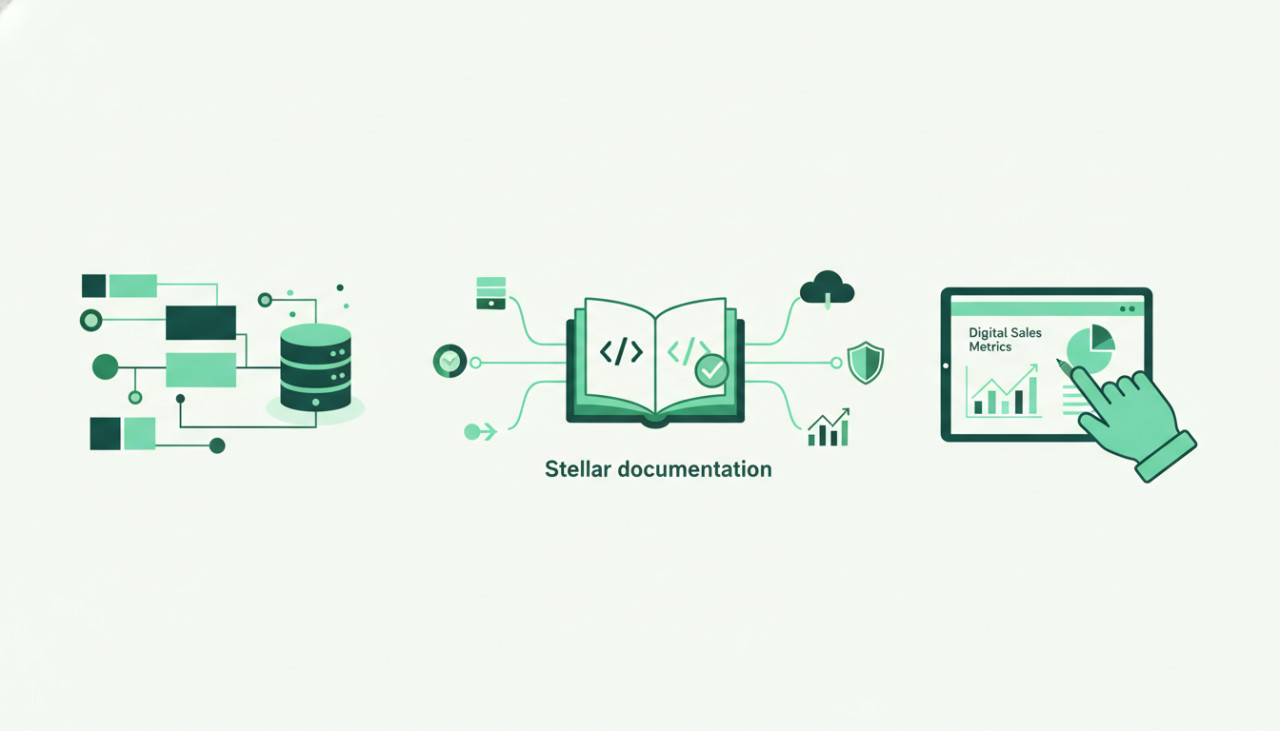
Introduction: Why Documentation Isn't an Afterthought
As a developer selling code, themes, or templates on a marketplace like SellMyCode, you pour your heart and expertise into creating valuable digital products. But once your amazing script is uploaded, your job isn't quite finished. One critical, often overlooked component that can make or break your product's success is its documentation. It’s not just an accessory; it's an indispensable part of your product offering, directly impacting sales, user satisfaction, and your reputation.
Documentation Isn't Just for You; It's for Your Buyers
Think of documentation as the user manual, the friendly guide that accompanies your complex creation. Your buyers, whether they are fellow developers, designers, or business owners, need clear instructions to get the most out of what they've purchased. Good documentation serves several vital purposes for them:
- Saves Time for Buyers: No one wants to spend hours figuring out how to install a plugin or configure a theme. Clear documentation allows users to quickly understand, set up, and integrate your product, leading to a smoother experience from the get-go.
- Builds Trust and Confidence: Comprehensive documentation signals professionalism and care. It assures buyers that you stand behind your product and have anticipated their needs, fostering a sense of trust even before they make a purchase decision.
- Reduces Frustration: Unclear instructions lead to confusion, errors, and ultimately, user frustration. Well-written docs provide solutions to common hurdles, empowering users to troubleshoot independently and avoid unnecessary headaches.
The Direct Impact on Your Sales and Reputation
The benefits of investing in documentation extend far beyond just buyer satisfaction; they directly influence your business outcomes:
More Sales and Higher Conversion Rates
Buyers are naturally more inclined to purchase products that come with clear, detailed guides. A strong documentation presence on your product page can act as a powerful selling point, demonstrating the product's usability and reducing pre-purchase anxieties. It helps potential customers visualize how they'll integrate and use your code, making the decision to buy much easier.
Fewer Support Requests
This is perhaps one of the most immediate and tangible benefits for sellers. When users can find answers to their questions in your documentation, they won't need to open a support ticket. This frees up your valuable time, allowing you to focus on developing new features, creating new products, or marketing your existing ones, rather than repeatedly answering the same basic questions.
Better Reviews and Ratings
Satisfied customers are more likely to leave positive reviews and higher ratings. Products with excellent documentation often receive praise for being 'easy to use' or 'well-supported,' which in turn attracts more buyers and creates a virtuous cycle of success on marketplaces like SellMyCode.
Establishes You as an Authority
High-quality documentation showcases your expertise not just in coding, but also in communication and user experience. It positions you as a thoughtful, reliable developer who understands the end-user's journey, enhancing your brand and reputation within the community.
What Makes Great Documentation? Key Elements to Include
To create documentation that truly adds value, consider incorporating these essential components:
- Getting Started/Installation Guide: Step-by-step instructions for setting up your product, covering prerequisites and initial configuration.
- Configuration Options: Explain every setting, parameter, and customization option in detail, ideally with examples.
- Usage Examples: Provide clear code snippets, screenshots, or even short video tutorials demonstrating how to implement and use key features.
- Troubleshooting/FAQ: List common problems users might encounter and provide clear, actionable solutions.
- API Reference (if applicable): For more complex scripts, a well-structured API reference with examples is crucial for developers.
- Changelog: Keep users informed about updates, new features, bug fixes, and breaking changes across different versions.
Tips for Writing Effective Documentation
Crafting great documentation doesn't have to be daunting. Here are some tips:
- Be Clear and Concise: Use simple language. Avoid technical jargon where simpler terms suffice. Get straight to the point.
- Use Visuals: Screenshots, flowcharts, and diagrams can often explain complex steps far better than text alone.
- Structure Logically: Use headings (like H3 for sub-sections), bullet points, numbered lists, and code blocks to make your content easy to scan and digest.
- Keep it Updated: As your product evolves, so should your documentation. Ensure it always reflects the current version.
- Think Like a User: Put yourself in the shoes of someone unfamiliar with your product. What questions would they have? What steps would confuse them?
- Proofread Thoroughly: Typos, grammatical errors, or incorrect instructions can undermine trust. Always proofread for accuracy and clarity.
Conclusion: Invest in Your Documentation, Invest in Your Success
In the competitive world of digital marketplaces, the quality of your documentation can be as important as the quality of your code. It's an investment that pays dividends in happier customers, fewer headaches for you, and ultimately, more successful sales on platforms like SellMyCode. By prioritizing clear, comprehensive, and user-friendly documentation, you're not just providing instructions; you're building trust, enhancing value, and paving the way for sustained success as a digital product seller. Start refining your documentation today and watch your sales grow!
Comments (0)